
Begin With the Problems, Not the Finishes
A whole-home renovation can touch nearly every part of daily life, so the order of decisions matters. Starting with paint colors and fixtures before addressing layout, structure, plumbing, electrical, or HVAC can lead to rework. Start by identifying what isn't working well and what the renovated home needs to accomplish.
Prioritize Structure and Building Systems
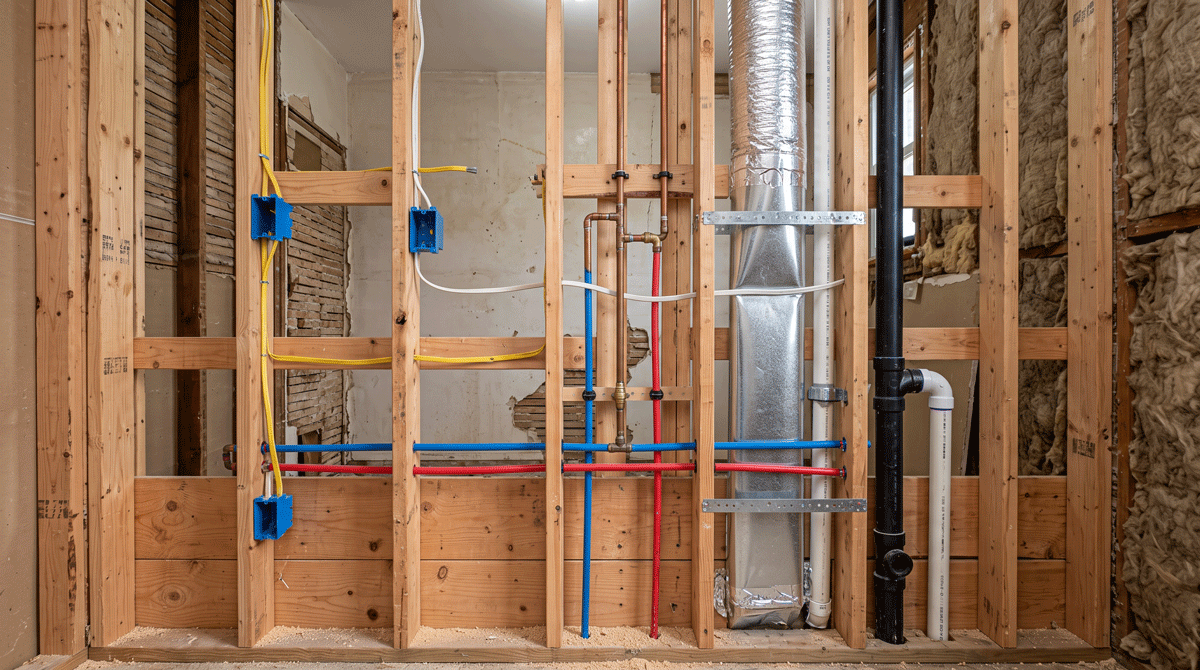
Before investing heavily in cosmetic improvements, understand the condition and capacity of the systems behind the walls. Structural changes, electrical service, plumbing, HVAC, insulation, windows, moisture concerns, and roofing conditions can influence the scope of work. Addressing these items early helps new finishes avoid later disruption.
Fix the Floor Plan Before Decorating It
Many older homes have enough square footage but use it inefficiently. Look for rarely used rooms, narrow circulation paths, undersized kitchens, limited storage, or poor connections to outdoor spaces. Moving or opening walls can change how the entire home feels, but those decisions should be coordinated with structural and mechanical requirements. If you are rethinking the layout, our guide on choosing the perfect floor plan applies to renovations too.
Coordinate Kitchens and Bathrooms Early
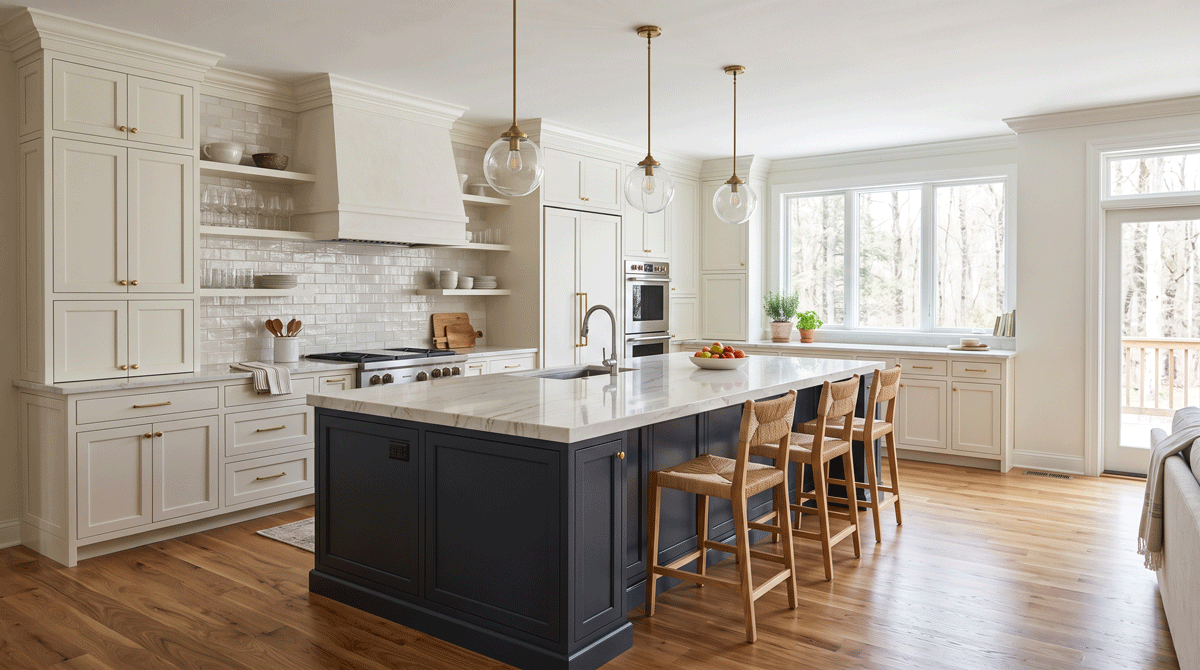
Kitchens and bathrooms have dense concentrations of cabinetry, plumbing, electrical, ventilation, tile, fixtures, and appliances. Their layouts affect rough-in work and often involve long-lead selections. Decide major locations and functions early so the construction team can coordinate what happens behind the finished surfaces. For kitchen inspiration, our post on kitchen island designs is a good place to start.
Create a Selection Strategy
Whole-home projects can involve dozens of materials. Establish a consistent direction for flooring, trim, doors, hardware, lighting, plumbing finishes, cabinetry, countertops, and tile. Frank Good Builders partners with Britney Good Interiors for selection coordination and other interior-design services, helping clients keep choices connected to the overall look, budget, and timeline.
Decide What Should Stay
Renovation does not require replacing everything. Existing hardwood, millwork, masonry, cabinetry, or architectural details may be worth preserving when they are in good condition and fit the design. Keeping the right elements can protect character and focus investment where it makes the biggest difference.
Plan for Life During Construction
A whole-home renovation can affect kitchens, bathrooms, entrances, utilities, and sleeping areas. Ask whether the home can remain occupied, which spaces must stay functional, how dust and access will be managed, and whether temporary living arrangements are more realistic for certain phases. Understanding the construction timeline helps you plan around the most disruptive phases.
Frank Good Builders uses Buildertrend during renovations to share photos, answer questions, and communicate scheduling and deadlines, giving homeowners a clearer view of project progress.
Set Priorities Before the Scope Expands
Renovations often uncover new opportunities once walls are opened or adjacent rooms are considered. Keep a ranked list of must-haves, high-value upgrades, and optional ideas. That makes it easier to evaluate changes without losing sight of the original goals or budget.
Explore Frank Good Builders Renovations
A successful whole-home renovation is a sequence of connected decisions. Frank Good Builders helps Central Virginia homeowners coordinate renovations and additions with an emphasis on communication, thoughtful planning, and a finished home that better matches the way they live. Contact our team to plan your renovation.
Frequently Asked Questions
What should I prioritize first in a whole-home renovation?
Start with the problems you need to solve, then work from the structure outward. Address structural condition, electrical, plumbing, HVAC, insulation, windows, and moisture issues before layout, and settle the floor plan and kitchen and bath locations before choosing finishes. Prioritizing in this order prevents finishes from being disturbed by work that should have come first.
Do I need to move out during a whole-home renovation?
It depends on the scope and which areas are affected. If the project takes the kitchen, main bathrooms, or utilities offline at the same time, temporary living arrangements may be more realistic for certain phases. Deciding early which spaces must stay functional and how dust and access will be managed helps you plan around the most disruptive stages.
Should I keep any of my existing home in a renovation?
Yes, when elements are in good condition and fit the design. Existing hardwood, millwork, masonry, cabinetry, or architectural details are often worth preserving, both to protect the home's character and to focus your budget where new work makes the biggest difference. Renovation does not have to mean replacing everything.
In what order should renovation decisions be made?
Move from function to finish: identify the problems, confirm structure and systems, fix the floor plan, coordinate kitchens and bathrooms, build a consistent selection strategy, then choose decorative details last. Making decisions in the order the construction actually needs them reduces rework, protects the schedule, and keeps the budget aligned with your priorities.