What to Know Before Building on Your Own Lot in Central Virginia
Your Lot Is Part of the Custom Home Design
Owning land can make a custom home feel one step closer, but a lot is more than an address. Its slope, access, soil, utilities, views, orientation, drainage, and restrictions can shape both the home design and the construction budget. The earlier you understand those conditions, the easier it is to make smart decisions before plans become expensive to change.
Frank Good Builders serves Central Virginia and brings real estate, home-plan design, interior design, and construction resources together under one coordinated process. That matters because land and home decisions should be made together, not in isolation.
Start With Access, Topography, and Buildable Area
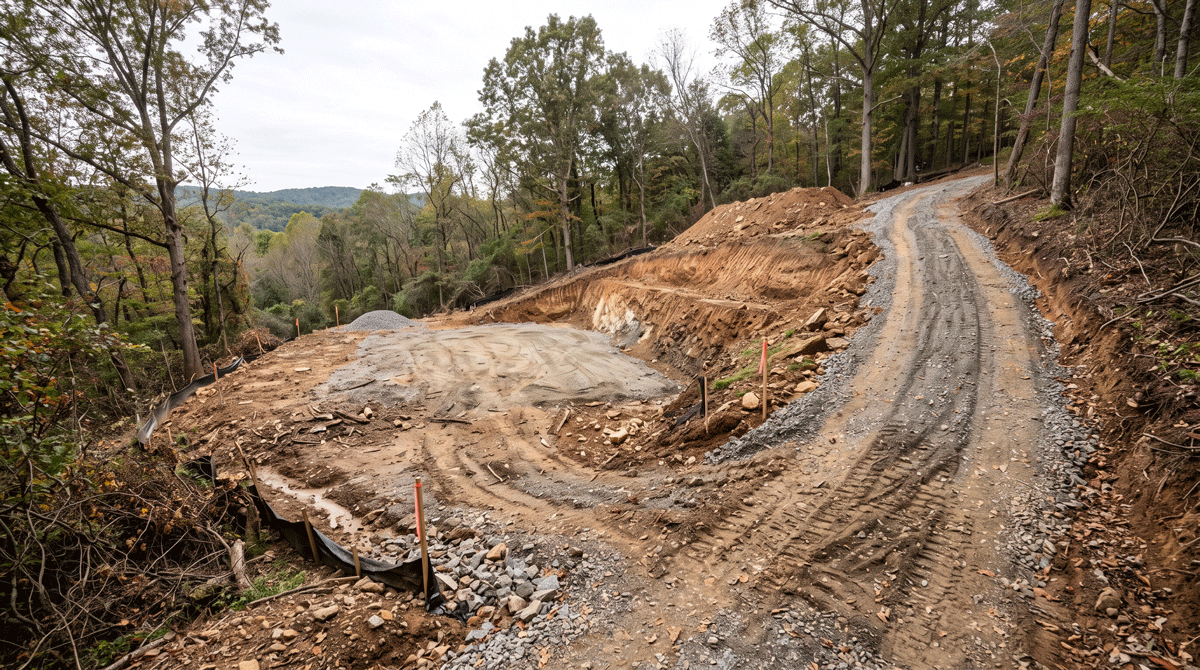
A beautiful property may still have a limited practical building envelope. Consider how construction vehicles will enter, where the driveway can run, how steep grades affect excavation, and whether the proposed home location leaves enough room for drainage and outdoor living.
Sloped land is not automatically a problem. It may create opportunities for a walkout lower level, elevated views, or a more interesting home design. The goal is to understand the site before forcing a floor plan onto it.
Confirm Utilities and Site Infrastructure Early
Before finalizing a budget, determine how the property will receive water, sewer or septic service, electricity, internet, and other utilities. Long utility runs, well requirements, septic design, or unusual site access can add costs that are easy to overlook when comparing house plans.
Site work is part of the home-building budget. Consider clearing, grading, driveway construction, drainage, retaining conditions, and utility connections alongside the house itself. Because these line items are easy to underestimate, our guide on budgeting for the unexpected is worth reading before you lock in numbers.
Design the Home for the Land
A custom plan should respond to the property's best features. Window placement can capture views and daylight. Garage orientation can improve driveway flow. Outdoor living areas can be positioned for privacy. The main living spaces can be arranged around the way sunlight moves across the site.
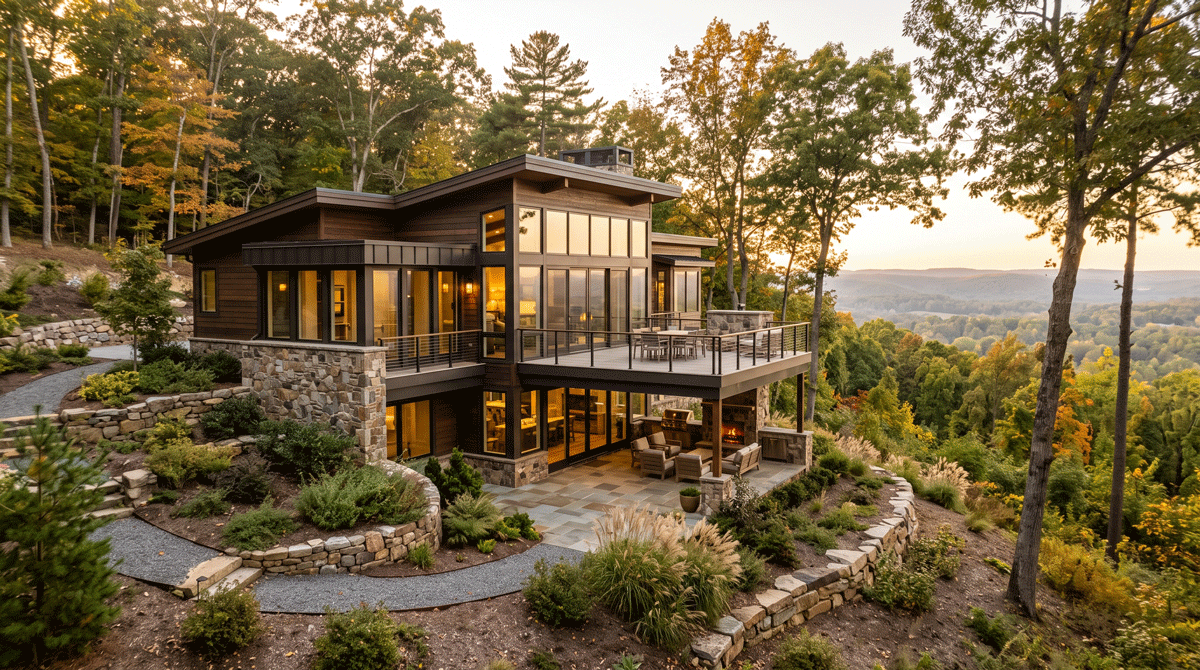
Frank Good Builders partners with Paragon Home Plans for custom home-plan design and 3D renderings. Plans can start from scratch or from a concept modified to fit the client's needs, preferences, budget, and property.
Budget Before You Fall in Love With a Plan
One of the most useful steps is establishing a realistic overall budget before design becomes too detailed. A large footprint, complicated roofline, extensive glass, premium finishes, long driveway, or challenging site can each affect the total investment.
Frank Good Builders' process begins with project information and a client questionnaire, followed by a rough estimate based on the desired home and finish level. That creates a stronger foundation for design decisions than choosing a plan first and pricing it after every preference is locked in. If a construction loan will be part of the project, it also helps to explore financing early so your budget and lending picture line up.
Questions to Ask About a Lot Before Designing
Before moving deeply into home design, ask:
Where is the most practical building area?
How will the driveway approach the home?
What utilities are available and how far must they travel?
What site work is likely to be required?
Which views and natural features should the design protect?
Are there restrictions, easements, or setbacks to consider?
How does the lot influence foundation and lower-level options?
Where should outdoor living spaces be located?
Bring the Builder Into the Conversation Early
The most efficient custom-home projects connect land, budget, design, and construction from the beginning. When those pieces are separated, homeowners can spend time developing a plan that later needs major changes because of site conditions or cost.
Frank Good Builders builds throughout Central Virginia and can also help clients who have not yet purchased land through real estate agents on staff. Whether you already own a property or are still searching, early builder input can help you evaluate the lot through the lens of the home you actually want to build.
Explore Frank Good Builders Custom Home Services
If you are planning to build on your own lot in Central Virginia, start by understanding the property and developing a home plan that works with it, not against it. Contact our team to review your lot and talk through the possibilities.
Frequently Asked Questions
Is it more expensive to build on my own lot than to buy an existing home?
Not necessarily, but the total cost depends heavily on the land itself. A ready-to-build lot with utilities at the street can keep site costs modest, while a sloped, wooded, or remote parcel may require significant clearing, grading, a well, septic design, or long utility runs. Evaluating those conditions before you finalize a budget is the best way to avoid surprises.
What should I check before building on a piece of land?
Confirm the practical building envelope, driveway access, grading and drainage, and how water, sewer or septic, and power will reach the home. You should also verify setbacks, easements, restrictions, and any well or septic requirements. These factors influence both where the house can sit and how much site work the budget must cover.
Can Frank Good Builders help me find land if I don't own a lot yet?
Yes. Frank Good Builders has real estate agents on staff who can help clients search for and evaluate property in Central Virginia. Bringing the builder in during the land search means you can assess a lot through the lens of the home you actually want to build, rather than discovering costly constraints after the purchase.
Should I choose a house plan before or after evaluating the lot?
Evaluate the lot first, or at least alongside the plan. The same floor plan can perform very differently depending on slope, sun, views, and access. Hence, a site-responsive design almost always produces a better result than forcing a pre-chosen plan onto the property. Establishing a rough budget early keeps both the plan and the site work realistic.