Renovate or Add On? How to Choose the Right Path for Your Central Virginia Home
Renovating vs. Adding On: Start With the Problem You Need to Solve
When a home no longer fits the way your family lives, the first instinct is often to assume you need more square footage. Sometimes you do. In many homes, however, the better answer is to reorganize the space you already have. The right decision comes from understanding what is actually causing the frustration: lack of bedrooms, poor circulation, a closed-off kitchen, insufficient storage, limited accessibility, or simply rooms used inefficiently.
A thoughtful renovation can make an existing footprint feel dramatically larger without changing the exterior walls. An addition can solve problems that no amount of reworking can fix. Before choosing either path, homeowners should look at function, site conditions, structural limitations, budget, and long-term plans together. Frank Good Builders offers renovation and addition services across Central Virginia and can help you weigh these factors before you commit to a direction.
When Renovating the Existing Footprint Makes Sense
A renovation is often the strongest option when your home has enough total square footage, but the layout no longer works. Older homes may have formal rooms that receive little use, small kitchens separated from living areas, undersized primary suites, or storage that was designed for a different era.
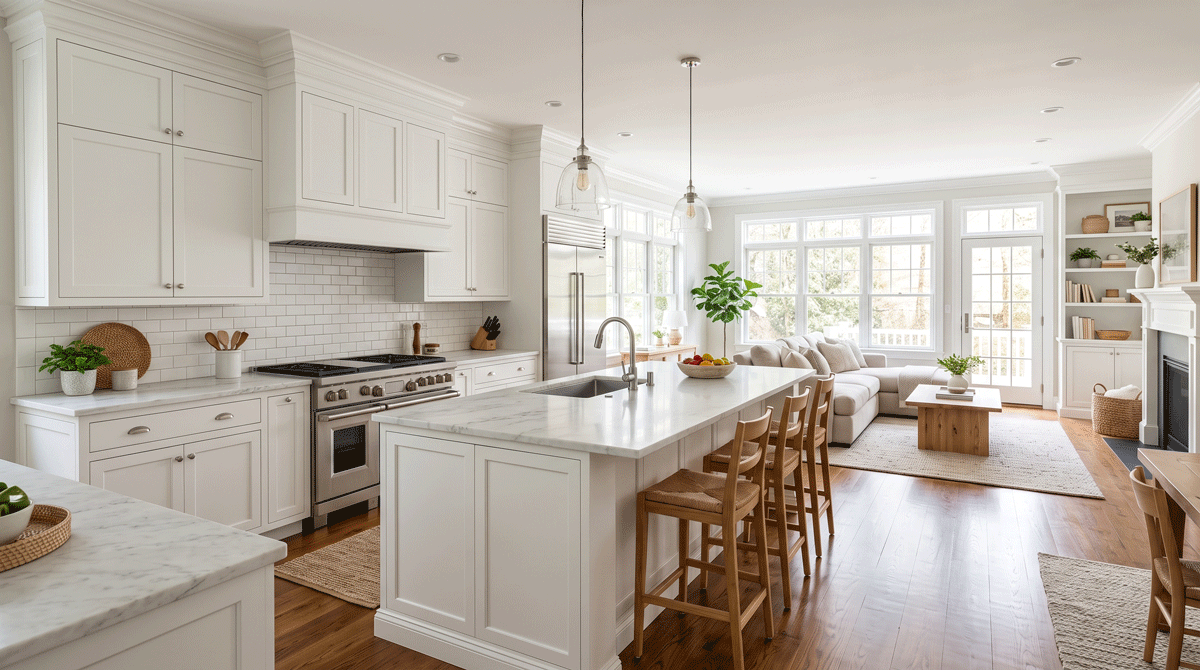
Reworking walls, doorways, cabinetry, lighting, and room assignments can improve daily life without adding conditioned space. This can be especially valuable when the lot is tight, setbacks limit expansion, or you want to preserve the home's exterior character. When a renovation leans heavily on new cabinetry, lighting, and finishes, coordinated interior design selections help those choices work together instead of competing.
Good candidates for an interior-focused renovation often include homes where:
The kitchen and living spaces feel disconnected.
A rarely used room could serve a more valuable purpose.
Storage is scattered or poorly planned.
Bathrooms need functional updates.
Traffic patterns create bottlenecks.
The home has enough bedrooms but lacks better shared space.
When a Home Addition Is the Better Investment
An addition becomes more practical when the need is truly about space. If you need another bedroom, a larger primary suite, an in-law area, a dedicated office, expanded living space, or a mudroom that cannot reasonably fit inside the current footprint, adding square footage may be the cleanest solution.
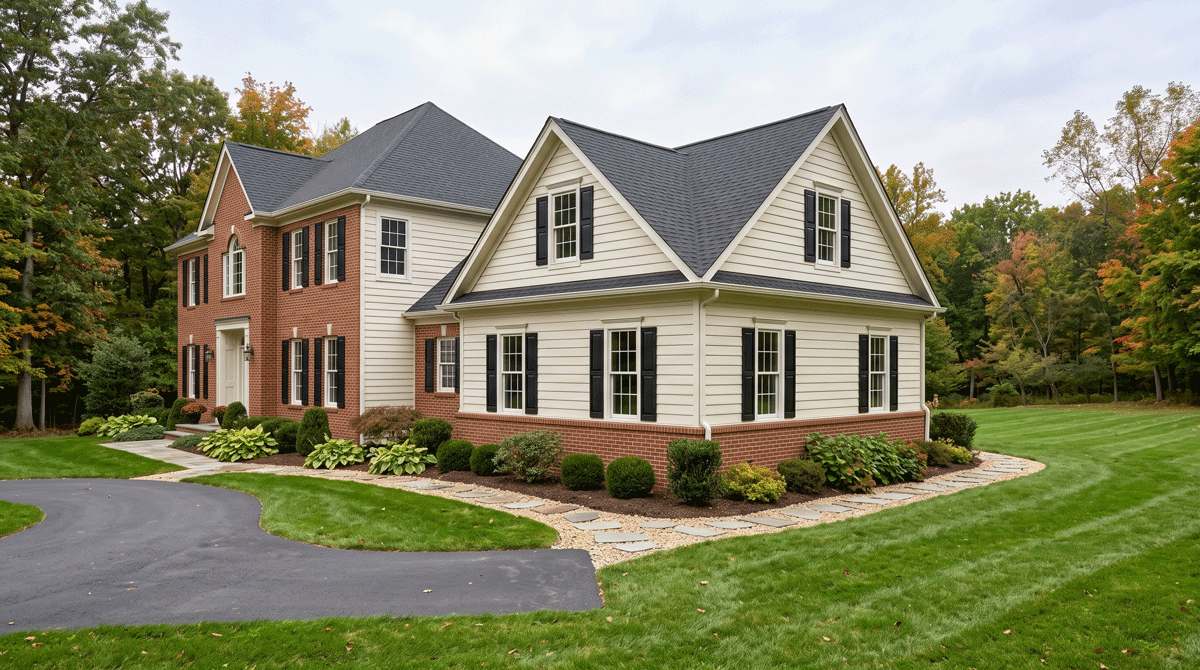
The key is making the new space feel like it has always belonged to the house. Rooflines, window proportions, exterior materials, floor elevations, mechanical systems, and interior transitions all need to work together. A well-designed addition should improve the entire home rather than feel like a separate box attached to it.
Look Beyond Cost Per Square Foot
Homeowners sometimes compare renovation and addition options only by asking which one costs less per square foot. That can be misleading. Renovations may involve demolition, structural changes, hidden conditions, and tying new systems into old ones. Additions require foundations, exterior walls, roofing, site work, and often expanded mechanical capacity.
Instead, compare the total project against the problems it solves. If a smaller renovation fixes five daily frustrations, it may deliver more value than a larger addition. If renovating still leaves the family short on bedrooms or living space, spending less on the renovation may delay the addition you eventually need. Because hidden conditions are common in older homes, it also helps to read our guide on budgeting for the unexpected before you set a final number.
Consider the Property Before Expanding
Before designing an addition, the property itself needs attention. Lot shape, setbacks, grading, drainage, septic systems, utilities, driveway access, mature trees, and views can all affect where an addition should go. In Central Virginia, sloped or wooded lots can create both opportunities and constraints.
The best design does not force a predetermined addition onto the property. It responds to the house and land together.
Think About How You Will Live Five to Ten Years From Now
A major renovation should solve today's needs while anticipating reasonable changes ahead. Consider whether children will need more privacy, parents may stay for longer visits, remote work will continue, or first-floor living could become more important later.
This does not mean designing for every possible future. It means avoiding choices that solve one immediate problem while creating another. Flexible rooms, wider circulation, better storage, and thoughtful bathroom placement can make a renovation useful for much longer.
Why Design and Construction Should Be Considered Together
The strongest renovation plans are grounded in how they will actually be built. Moving a wall may look simple on a sketch but affect structure, plumbing, HVAC, electrical work, flooring, and ceiling transitions. Likewise, an addition that looks beautiful from the outside must still connect logically to the existing interior.
Frank Good Builders has experience with renovations and additions and uses a coordinated design-build approach that keeps design, construction realities, communication, and selections connected. A clear, step-by-step building process guides this, and the team also uses Buildertrend to share updates, photos, scheduling information, and project communication during renovations.
Questions to Ask Before Choosing Your Path
Before committing to a renovation or addition, ask:
What specific problems do we want this project to solve?
Can the current footprint realistically solve them?
How much additional square footage do we truly need?
Are there site or zoning constraints that affect expansion?
Which existing systems may need upgrading?
How should the finished project support our long-term plans?
What level of finish do we want throughout the affected spaces?
Plan the Project Around Your Life, Not Just Your House
The best remodel is not automatically the biggest one. It is the project that makes the home work better for the people living there. For some Central Virginia homeowners, that means opening and reorganizing existing rooms. For others, it means adding carefully planned square footage that feels completely integrated with the original home.
Explore Frank Good Builders Renovations & Additions
If you are deciding between reworking your existing layout and adding more space, Frank Good Builders can help you evaluate the possibilities and plan a renovation around your goals, property, and budget. Contact our team to talk through your project.
Frequently Asked Questions
Is it cheaper to renovate or build an addition?
It depends on the problem you are solving, not just the price per square foot. Renovating within your existing walls is often less expensive because you avoid new foundations, exterior walls, and roofing, but hidden conditions and system upgrades can narrow that gap. An addition costs more up front, yet it can be the better value when a renovation alone cannot deliver the bedrooms or living space your family needs.
How do I know whether I need an addition or just a better layout?
Start by listing the specific frustrations you want fixed. If your home has enough total square footage but poor circulation, closed-off rooms, or wasted space, a renovation that reworks the existing footprint usually solves the problem. If you genuinely lack rooms, another bedroom, a primary suite, or an in-law space that cannot fit inside the current walls, an addition is the more practical path.
Will an addition or renovation add value to my home?
A well-planned project generally adds value, especially when it improves function, flow, and the spaces buyers care about most, such as kitchens, primary suites, and usable living areas. Value comes from how well the work integrates with the rest of the home, not from square footage alone, so a thoughtfully designed renovation can add as much value as a larger, poorly integrated addition.
Do I need permits, and will the exterior have to change?
Most structural changes, additions, and system upgrades require permits, and requirements vary by locality in Central Virginia. An interior renovation can often be completed without altering the exterior. At the same time, an addition will change rooflines, walls, and elevations, so the design should make that new space look original to the home. Working with a builder early helps you understand permitting, setbacks, and how they'll handle any exterior changes.